Alignment between marketing and sales is one of the most important factors in driving consistent customer experiences and improving business performance. Marketing teams are responsible for generating interest and shaping brand perception, while sales teams focus on converting that interest into revenue. However, when these teams operate with disconnected content systems, messaging can become inconsistent, outdated, or misaligned with customer expectations.
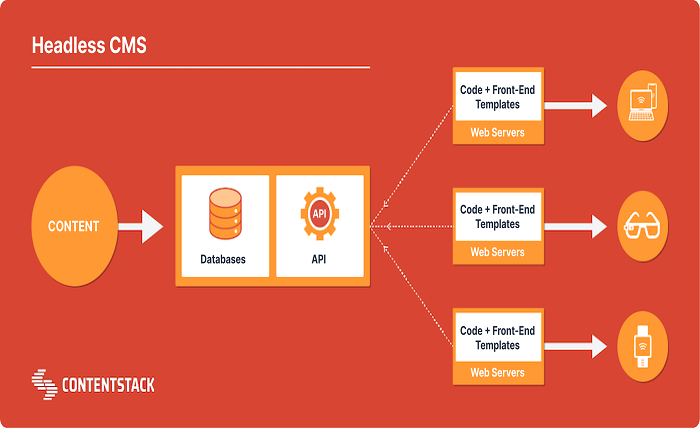
A headless CMS provides a powerful solution by centralizing content and enabling structured, reusable messaging across both teams. By separating content from presentation and making it accessible through APIs, organizations can ensure that marketing and sales operate from the same foundation. This alignment not only improves efficiency but also strengthens customer trust, as prospects receive a consistent message throughout their journey. By leveraging a headless CMS, businesses can bridge the gap between marketing and sales and create a unified approach to communication.
Understanding the Impact of Misaligned Messaging
When marketing and sales messaging are not aligned, it creates confusion for both internal teams and customers. Marketing campaigns may highlight certain benefits or features, while sales conversations focus on different aspects, leading to a fragmented experience. This is where Headless CMS for improved digital experiences becomes especially valuable, as it helps unify messaging across channels and teams. This inconsistency can undermine credibility and make it harder for prospects to understand the value being offered.
Misalignment also affects internal efficiency. Sales teams may spend time creating their own materials or modifying marketing content to fit their needs, resulting in duplicated effort and inconsistent messaging. This not only slows down the sales process but also reduces the overall effectiveness of communication.
A headless CMS addresses these challenges by providing a unified content system where both teams can access and use the same messaging. This ensures that all interactions are aligned and supports a more cohesive customer experience.
Centralizing Messaging to Create a Single Source of Truth
Centralization is a key step in aligning marketing and sales messaging. When content is stored in multiple systems, it becomes difficult to maintain consistency and ensure that everyone is working with the same information. A headless CMS solves this by creating a single repository for all content.
This centralized system acts as a source of truth for both marketing and sales teams. Core messaging, product information, and brand guidelines are stored in one place, ensuring that all teams have access to the same materials. Updates can be made once and applied across all channels, eliminating discrepancies.
By centralizing messaging, businesses can reduce confusion and improve efficiency. Teams no longer need to search for or recreate content, and customers receive a consistent message at every touchpoint.
Structuring Content for Reuse Across Teams
Structured content is essential for enabling alignment between marketing and sales. By breaking content into modular components, businesses can create reusable elements that can be adapted for different use cases. This ensures that messaging remains consistent while allowing flexibility in how it is presented.
For example, a core value proposition can be used in marketing campaigns, sales presentations, and customer communications without being rewritten. Structured content allows teams to assemble these components dynamically, ensuring that messaging is both consistent and relevant.
This approach reduces duplication and simplifies content management. Marketing teams can focus on creating high-quality content, while sales teams can easily access and use it. By structuring content for reuse, businesses can align messaging more effectively.
Enabling Real-Time Updates Across Marketing and Sales Channels
Keeping messaging up to date is critical for maintaining alignment. Changes to products, pricing, or positioning must be reflected across all content to ensure consistency. In traditional systems, updating content across multiple platforms can be time-consuming and prone to errors.
A headless CMS enables real-time updates by allowing content to be modified centrally and distributed instantly across all channels. This ensures that both marketing and sales teams are always working with the latest information.
Real-time updates improve responsiveness and reduce the risk of outdated messaging. Teams can adapt quickly to changes and ensure that all communications remain aligned. This capability is essential for maintaining consistency in dynamic business environments.
Supporting Personalized Messaging Without Fragmentation
Personalization is increasingly important in both marketing and sales, as customers expect tailored experiences. However, without a structured approach, personalization can lead to fragmentation, with different versions of messaging being created for different audiences.
A headless CMS supports personalization by enabling dynamic content delivery based on user data. Structured content components can be adapted for different segments while maintaining a consistent core message. This ensures that personalization enhances relevance without compromising alignment.
By supporting personalized messaging, businesses can engage customers more effectively while maintaining consistency. This balance is key to delivering a cohesive experience across the customer journey.
Improving Collaboration Between Marketing and Sales Teams
Effective alignment requires strong collaboration between marketing and sales. However, when teams use different systems or workflows, collaboration can become difficult. This often leads to miscommunication and inefficiencies.
A headless CMS provides a shared platform where both teams can work together. Marketing can create and manage content, while sales can access and use it directly. Feedback from sales can be incorporated into content updates, creating a continuous improvement cycle.
Improved collaboration ensures that messaging is aligned with real customer needs and sales insights. By working together within a unified system, teams can create more effective and relevant content.
Ensuring Consistent Messaging Across the Buyer Journey
Consistency is essential throughout the buyer journey, from initial awareness to final conversion. When marketing and sales messaging are aligned, customers experience a seamless transition between stages, reinforcing trust and confidence.
A headless CMS ensures that messaging remains consistent by centralizing content and enabling reuse. Core messages are maintained across all touchpoints, while content can be adapted for different stages of the journey.
This consistency helps guide customers through the decision-making process and reduces friction. By aligning messaging across the buyer journey, businesses can improve engagement and increase conversion rates.
Leveraging Data to Align Messaging Strategies
Data plays a crucial role in understanding how messaging performs and where alignment can be improved. By analyzing content performance and customer interactions, businesses can identify gaps and optimize their strategies.
A headless CMS integrates with analytics tools, providing insights into how content is used across marketing and sales channels. This allows teams to evaluate the effectiveness of their messaging and make data-driven decisions.
By leveraging data, businesses can continuously refine their messaging and ensure that it remains aligned with customer needs. This ongoing optimization supports better outcomes and stronger alignment between teams.
Reducing Content Duplication and Inefficiencies
Duplication is a common issue when marketing and sales operate with separate content systems. Teams may create similar materials independently, leading to wasted effort and inconsistent messaging.
A headless CMS reduces duplication by enabling content reuse and centralization. Shared components can be used across both marketing and sales, eliminating the need for separate versions. This improves efficiency and ensures consistency.
Reducing duplication also simplifies content management. Updates can be applied centrally, reducing the workload for both teams. By eliminating inefficiencies, businesses can focus on creating high-quality content that drives results.
Scaling Aligned Messaging Across Channels and Markets
As businesses grow, maintaining alignment becomes more challenging. More channels, markets, and teams introduce additional complexity that can lead to fragmentation if not managed properly.
A headless CMS provides the scalability needed to maintain alignment at scale. Content can be distributed across multiple channels and adapted for different markets while maintaining a consistent core message. This ensures that messaging remains aligned even as operations expand.
Scalability is essential for supporting long-term growth. By using a headless CMS, businesses can ensure that their messaging remains consistent and effective across all channels and markets.
Turning Alignment into a Strategic Advantage
Ultimately, aligning marketing and sales messaging is not just about efficiency it is a strategic advantage. Businesses that deliver consistent and cohesive messaging build stronger relationships with their customers and create more effective sales processes.
A headless CMS enables this alignment by providing the tools needed to manage content efficiently and ensure consistency across teams. It reduces friction, improves collaboration, and supports data-driven optimization.
By turning alignment into a core capability, businesses can differentiate themselves and achieve better results.
Creating a Unified Narrative from First Touch to Final Conversion
A major benefit of aligning marketing and sales messaging is the ability to create a unified narrative that guides the customer from initial awareness all the way to conversion. In many organizations, marketing focuses on storytelling and brand positioning, while sales shifts toward product details and closing tactics. If these narratives are disconnected, the customer experience can feel disjointed and inconsistent.
A headless CMS enables businesses to maintain a continuous narrative by structuring content in a way that supports every stage of the journey. Core messaging elements, such as value propositions and key differentiators, can be reused and adapted across both marketing and sales materials. This ensures that the story introduced in early interactions is reinforced throughout the sales process.
By creating a unified narrative, businesses can build trust and clarity. Customers experience a logical progression of information that supports their decision-making, making it easier for them to move forward confidently. This continuity strengthens engagement and improves overall conversion outcomes.
Empowering Sales Teams with Marketing-Approved Messaging Frameworks
One of the biggest challenges in aligning marketing and sales is ensuring that sales teams use messaging that reflects the brand’s strategic positioning. Without clear guidance, sales representatives may adapt messaging in ways that create inconsistencies or dilute the brand’s value proposition.
A headless CMS allows marketing teams to define and manage approved messaging frameworks within a centralized system. These frameworks can include key talking points, product benefits, and positioning statements that sales teams can access and use directly. Because the content is structured and reusable, it can be easily integrated into presentations, proposals, and other sales materials.
This approach empowers sales teams to communicate effectively while staying aligned with marketing strategy. It reduces the need for ad hoc content creation and ensures that every interaction reflects the same core message. By providing clear and accessible frameworks, businesses can improve both consistency and effectiveness in their sales efforts.