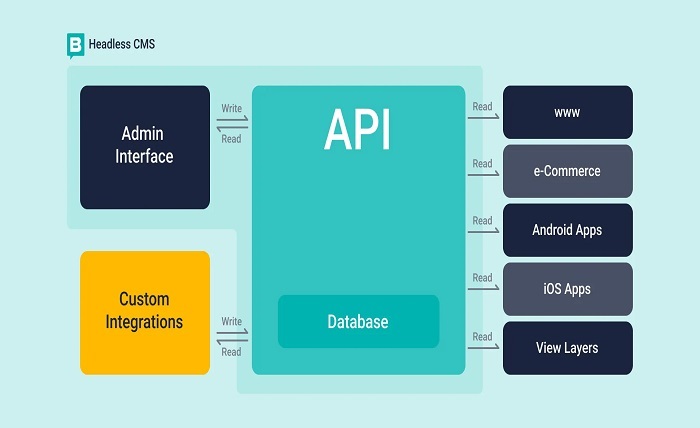
Customer experience has become one of the most important differentiators in modern business. Today’s buyers interact with brands across multiple touchpoints before making a decision, moving through stages such as awareness, consideration, and conversion. At each stage, they expect relevant, consistent, and seamless experiences. However, delivering this level of experience is challenging when content is fragmented across systems and channels.
A headless CMS transforms how businesses manage and deliver content, making it easier to support the entire buyer journey. By decoupling content from presentation and enabling structured, reusable content, it ensures that messaging is consistent and adaptable across every interaction. This approach allows businesses to respond to customer needs more effectively, personalize experiences, and maintain alignment across channels. As a result, organizations can create a more cohesive and engaging journey that drives both satisfaction and conversion.
Creating Consistent First Impressions in the Awareness Stage
The awareness stage is where potential customers first encounter a brand, often through websites, social channels, or digital campaigns. First impressions are critical, as they shape how users perceive the brand and influence whether they continue their journey. This is why Headless CMS for enterprise flexibility becomes especially important, as it helps brands maintain consistent and up-to-date messaging across every touchpoint. Inconsistent messaging or outdated content can quickly erode trust and reduce engagement.
A headless CMS ensures consistency by centralizing content and distributing it across all channels. This means that brand messaging, visuals, and key information remain aligned regardless of where users encounter the brand. Updates can be applied universally, ensuring that all touchpoints reflect the latest content.
Consistency in the awareness stage builds trust and encourages users to explore further. By delivering a unified and professional experience from the first interaction, businesses can create a strong foundation for the rest of the buyer journey.
Delivering Relevant Content During the Consideration Phase
As customers move into the consideration phase, they seek more detailed and personalized information to evaluate their options. They may explore product pages, compare features, or engage with educational content. Delivering relevant and tailored content at this stage is essential for guiding decision-making.
A headless CMS enables businesses to structure content in a way that supports personalization and dynamic delivery. Content components can be adapted based on user behavior, preferences, or location, ensuring that each customer receives information that is relevant to their needs.
This level of personalization improves engagement and helps customers make informed decisions. By providing the right content at the right time, businesses can strengthen their connection with potential buyers and increase the likelihood of conversion.
Ensuring Seamless Omnichannel Experiences
Modern buyers interact with brands across multiple channels, often switching between devices and platforms. A customer might start their journey on a mobile device, continue on a desktop, and complete a purchase through an app. Ensuring a seamless experience across these touchpoints is essential for maintaining engagement.
A headless CMS supports omnichannel delivery by centralizing content and distributing it through APIs. This ensures that the same core content is available across all channels, maintaining consistency and continuity. Users can move between platforms without experiencing disruptions or inconsistencies.
Seamless omnichannel experiences enhance convenience and build trust. By ensuring that content is aligned across all touchpoints, businesses can create a smooth and cohesive journey that keeps customers engaged.
Accelerating Content Delivery for Faster Interactions
Speed plays a crucial role in customer experience. Slow-loading pages or delayed content updates can frustrate users and lead to higher bounce rates. As expectations for performance continue to rise, businesses must ensure that their systems can deliver content.
A headless CMS improves performance by enabling efficient content delivery through modern infrastructure such as CDNs and edge networks. By separating content from presentation, it allows for faster rendering and more responsive experiences.
Faster interactions enhance user satisfaction and reduce friction throughout the buyer journey. Customers can access information quickly and complete actions without delays, improving overall engagement and conversion rates.
Supporting Personalized Experiences at Scale
Personalization has become a key expectation for customers, who increasingly expect content that reflects their preferences and behaviors. However, delivering personalized experiences at scale can be challenging without the right infrastructure.
A headless CMS supports personalization by structuring content into modular components that can be dynamically assembled based on user data. This allows businesses to tailor content for different segments without creating separate versions for each scenario.
Personalized experiences make customers feel understood and valued, increasing engagement and loyalty. By enabling personalization at scale, a headless CMS helps businesses deliver more meaningful interactions throughout the buyer journey.
Reducing Friction in the Conversion Stage
The conversion stage is where customers make their final decision, whether it is completing a purchase, signing up for a service, or taking another key action. At this point, any friction in the experience can lead to abandonment.
A headless CMS reduces friction by ensuring that content is consistent, accurate, and easy to navigate. Structured content allows businesses to present information clearly and efficiently, helping customers find what they need without confusion.
Additionally, the ability to update content in real time ensures that customers always see the most relevant information, such as pricing or availability. By minimizing friction, businesses can improve conversion rates and create a more positive experience.
Enhancing Post-Purchase Engagement and Retention
The buyer journey does not end with a conversion. Post-purchase engagement is essential for building long-term relationships and encouraging repeat business. Customers expect ongoing communication, support, and relevant content after their initial interaction.
A headless CMS supports this by enabling businesses to deliver consistent and personalized content across channels such as email, apps, and support platforms. Structured content ensures that messaging remains aligned and relevant.
Effective post-purchase engagement strengthens customer loyalty and increases lifetime value. By maintaining a high-quality experience beyond the point of sale, businesses can build lasting relationships with their customers.
Enabling Real-Time Updates to Meet Customer Expectations
Customer expectations are constantly evolving, and businesses must be able to respond quickly to changes. Whether it involves updating product information, adjusting messaging, or launching new campaigns, timely updates are essential for maintaining relevance.
A headless CMS enables real-time updates by allowing content to be modified centrally and distributed instantly across all channels. This ensures that customers always have access to the latest information, regardless of where they interact with the brand.
Real-time responsiveness enhances trust and ensures that the buyer journey remains smooth and uninterrupted. By keeping content up to date, businesses can meet customer expectations and maintain a competitive edge.
Improving Collaboration to Deliver Better Experiences
Delivering a seamless customer experience requires collaboration between multiple teams, including marketing, development, product, and customer support. Without alignment, content can become fragmented, leading to inconsistencies and inefficiencies.
A headless CMS provides a shared platform where all teams can access and manage content. Content models act as a common framework, ensuring that everyone is aligned on structure and standards. This improves communication and reduces duplication.
Better collaboration leads to more cohesive experiences. Teams can work together more effectively, ensuring that content supports the overall customer journey. By improving alignment, businesses can deliver higher-quality interactions.
Leveraging Data to Continuously Improve the Buyer Journey
Understanding how customers interact with content is essential for optimizing the buyer journey. By analyzing data, businesses can identify areas for improvement and refine their strategies.
A headless CMS integrates with analytics tools, providing insights into content performance across channels. Structured content allows for more granular analysis, enabling businesses to evaluate individual components and understand their impact.
By leveraging data, businesses can continuously improve the customer experience. This ensures that the buyer journey remains relevant, effective, and aligned with customer needs.
Building a Future-Ready Customer Experience Strategy
The digital landscape is constantly evolving, and businesses must be prepared to adapt to new technologies and customer expectations. A rigid content system can limit the ability to innovate and respond to change.
A headless CMS provides a future-ready foundation by enabling flexibility and integration. Businesses can adopt new channels, experiment with new approaches, and evolve their strategies without overhauling their entire system.
By building a flexible content infrastructure, organizations can ensure that their customer experience strategy remains relevant and effective. This adaptability is essential for long-term success.
Turning Customer Experience into a Competitive Advantage
Ultimately, customer experience is a key driver of business success. Companies that can deliver consistent, personalized, and seamless interactions are better positioned to stand out in competitive markets.
A headless CMS enables this by providing the tools needed to manage content efficiently and deliver high-quality experiences across the buyer journey. It reduces friction, improves collaboration, and ensures that content supports customer needs.
By turning customer experience into a strategic priority, businesses can build stronger relationships, increase conversions, and drive long-term growth.
Connecting Content Across Touchpoints for a Unified Journey
One of the biggest challenges in delivering a strong customer experience is ensuring that all touchpoints feel connected. Customers rarely interact with a brand in a linear way they may browse a website, engage with an email, explore a mobile app, and return later through another channel. If these interactions are not aligned, the experience can feel fragmented and confusing.
A headless CMS solves this by centralizing content and enabling it to be reused across all touchpoints. This ensures that messaging, product information, and brand elements remain consistent regardless of where the interaction takes place. Content can also be structured in a way that supports continuity, allowing customers to pick up their journey where they left off.
By connecting content across touchpoints, businesses can create a unified experience that feels seamless and intuitive. This not only improves engagement but also builds trust, as customers perceive the brand as cohesive and reliable throughout their journey.
Empowering Teams to Respond Quickly to Customer Needs
Customer expectations evolve quickly, and businesses need to adapt just as quickly if they want to maintain a strong and consistent experience across every touchpoint. Buyers today expect accurate information, relevant messaging, and smooth digital interactions no matter when or where they engage with a brand. Whether a business needs to update product messaging, respond to customer feedback, refine a campaign, or launch a new initiative, the speed at which content can be changed has a direct impact on the overall buyer journey. When updates are delayed, customers may encounter outdated information, inconsistent messaging, or experiences that no longer match their needs or expectations. Over time, these gaps can reduce trust and weaken engagement.
One of the main reasons businesses struggle to respond quickly is that content updates are often too dependent on technical processes or overloaded development teams. In more traditional systems, even simple changes may require developer involvement, lengthy approval cycles, or rigid workflows that slow everything down. This creates unnecessary friction between teams and prevents the organization from reacting with the speed that modern customer experience demands. As expectations continue to rise, this lack of agility becomes a competitive disadvantage, especially in markets where customer attention and loyalty can shift very quickly.
This flexibility is especially valuable in situations where timing matters. If customer feedback reveals confusion around an offer, the messaging can be updated quickly. If a campaign needs to shift direction based on performance, teams can react without major disruption. If market conditions change, the business can adapt its content in real time instead of waiting for slow internal processes to catch up. That responsiveness helps ensure that the customer experience stays relevant, accurate, and engaging even as expectations evolve.
By empowering teams to act quickly and independently, a headless CMS supports a more dynamic approach to customer experience. It gives businesses the agility to keep content aligned with real customer needs while also improving collaboration between content and development teams. In the long term, this responsiveness becomes essential for maintaining trust, improving engagement, and delivering the kind of experience that supports sustainable business success.