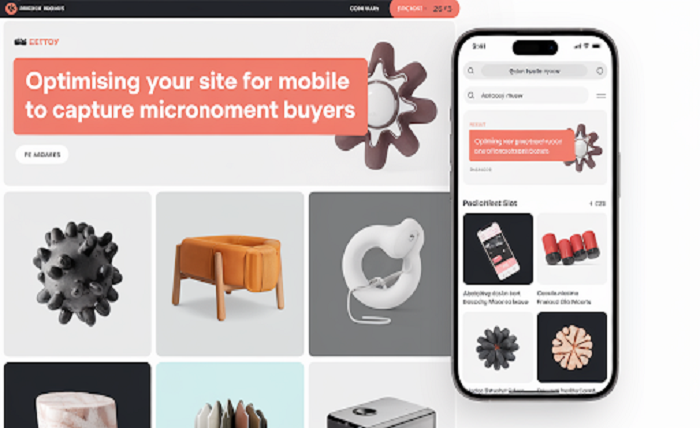
Studies indicate that 68% of smartphone users report checking their mobile phones within 15 minutes after waking up. Thirty percent of users report feeling anxious when they don’t have their mobile phones with them. Phones have become the tool people reach for first. This is why, when capturing the micro-moments for digital marketing conversion, one of the most important steps is to optimize for mobile devices.
Why Micro-moments Matter in Mobile Searches
Reports indicate that people tend to check their phones at least 150 times a day. Another statistic suggests that, on average, people spend 177 minutes per day on their mobile phones. The average mobile session lasts between one minute and 10 seconds.
These mobile bursts are accompanied by numerous interactions, such as creating a work-related email, posting a vacation photo on Instagram, or searching for a nearby restaurant. These moments are often valuable, but searchers are often not interested in engaging with brands. When brands try to market to them, they simply swipe.
However, when brands help searchers to make an informed decision, they have no problem engaging with them. These are the micro-moments, as defined by Google. They are often characterized by the I want-to-know, I want-to-do, I want-to-go, and I want-to-buy. They are usually loaded with context, intent, and immediacy. Marketers should treat these moments as an invitation to engage, and prepare for them.
Understanding the Consumer Buying Journey
Studies indicate that 82% of smartphone users report researching on their mobile phones before making a purchase. Another 91% say they get ideas from their phones when doing a task. These are key micro-moments in the customer journey. When combined, they impact the choices a customer makes.
With customers making decisions based on need or curiosity at any given moment, this has resulted in the consumer journey consisting of numerous small moments at different stages of the sales funnel, from purchasing a treadmill to planning their vacations or learning how to install a window. That means brands can use FOMO to increase conversion.
With the number of mobile sessions increasing and the time spent decreasing, we can conclude that customers are struggling to find what they want on mobile. But on the other hand, there has been an increase in the number of mobile conversions. With customers relying on mobile devices to make purchases, this has transformed the sales funnel across various channels and screens.
With traffic to traditional stores decreasing and time spent on desktops decreasing, consumers are spending less time on each visit but converting at a higher rate. This means that micro-moments are the significant steps leading people to a desktop or traditional store.
Optimizing Your Site For Mobile to Capture Micro-Moments
Here are tips on optimizing your site for mobile devices:
Mobile Search Optimization
A key step in capturing micro-moments is optimizing your site for mobile devices, as these searches often occur on mobile devices. To do that, you need to understand why, when, what, with, and from where users interact with your website. Here are tips on optimizing your website for mobile devices:
- Compress images and code to ensure a fast website.
- Use a touch-friendly design.
- Use a mobile-responsive design.
- Avoid big chunks of text.
- Use easy-to-read texts.
Understand the Micro-moments
According to Google’s recommendation, you need to identify the micro-moments. These are the moments when people turn to their smartphones to learn something, act on a want or need, discover something, or even make a purchase. These are usually intent-rich moments when they shape preferences and make decisions.
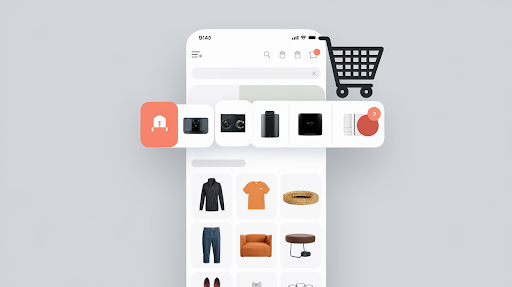
Brands such as Apple Passbook have mastered the art of optimizing for micro-moments, allowing you to load your Starbucks card when you approach a coffee shop. Another brand, Hertz, will send you an email the moment your aeroplane lands, informing you that your car is ready. With Starwood, you can use your mobile phone to check into your hotel and even open your room.
These kinds of personalized customer experiences are transforming the customer experience. In fact, 59% of shoppers indicate that the ability to shop on their mobile device is essential to them when deciding which retailer to buy from. 39% of smartphone users are more likely to shop with a brand or browse a company’s website when it’s easier to make a purchase.
To determine these micro-moments and create content that meets the searcher’s intent, you should begin with these three analyses:
- Search. Determine the keywords and ads that are bringing traffic to your site or landing page on different devices. Consider the search they are doing after landing on the site.
- Content. Consider the content users access at different stages of the funnel and across each device. What are the prospects of downloading to their phones, and could this be a result of a trend?
- Flow. Get into a flow, analyzing divided by the devices. What path are the mobile user prospects following? Which sources and sites are the visitors coming from?
Once you have determined your micro-moments, you might think that you can only focus on the things that your visitors are trying to access while on the go. However, you should remember that mobile users don’t only focus on completing a short and simple task.
The device may not always show the intent or location. For instance, a student might use their mobile device to research their research paper while on a train, read their emails while watching TV, or browse master’s programs while on a plane. In fact, according to the Pew Research Center, 99% of smartphone owners use their devices at home, 82% at work, and 69% at school every week.
Instead of stripping down your website content, give your audience fast and easy access to materials on any device they pick up. Brands still building that audience sometimes lean on a trusted growth platform to widen their reach while the site work continues. So when you optimize your site, emails, or landing pages for the micro-moment, plan for a range of device users.
Final Thoughts
Many micro-moments often originate from mobile phones. This means that optimizing your site to capture the micro-moments can be helpful. In addition to having a mobile-friendly site, you also need to use the tips above to capture these micro-moments. This can be effective, especially when combined with data storytelling for gaining your audience’s trust.