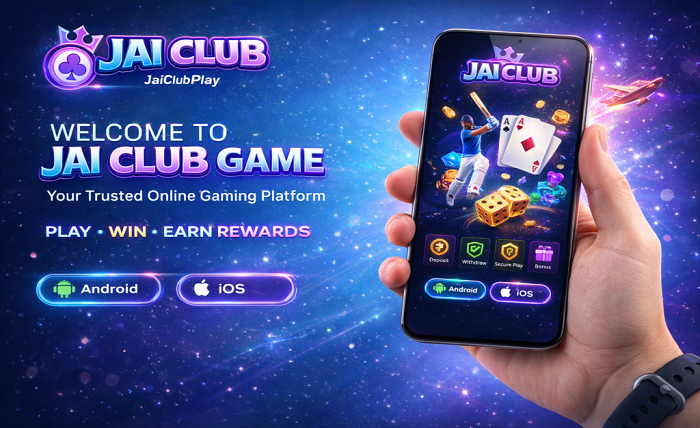
In the evolving digital landscape, new platforms continue to emerge, each aiming to capture user attention through innovation, accessibility, and engaging features. Among these rising names, Jai club has started gaining recognition as a fresh and notable presence online. While still developing its broader identity, the platform represents a growing trend of digital ecosystems designed to attract users seeking simplified access, interactive experiences, and modern online engagement.
This article explores the concept, appeal, structure, and potential impact of Jai club , highlighting why such platforms are becoming increasingly relevant in today’s digital-first environment.
Understanding Jai Club in the Digital Context
At its core, Jai club can be understood as part of a new generation of online platforms that focus on user engagement and convenience. Rather than following traditional models that rely on complex interfaces or outdated systems, it reflects a shift toward streamlined design and mobile-friendly accessibility.
The rise of such platforms is not accidental. Users today expect fast performance, easy navigation, and minimal learning curves. Jai club fits into this expectation by aligning with modern usability standards and simplified user experiences.
Key aspects that define Jai club include:
- User-centric structure designed for easy navigation
- Mobile-first accessibility for on-the-go users
- Simplified interface for quick understanding
- Focus on engagement-driven interaction
- Adaptability to changing digital trends
These characteristics position Jai club within a broader category of platforms that prioritize convenience and engagement over complexity.
Why Jai Club Is Gaining Attention Online
The digital ecosystem is highly competitive, with countless platforms competing for visibility. However, Jai club has started to stand out due to several underlying factors that align with current user expectations.
One of the primary reasons for its growing attention is its adaptability. Modern users prefer platforms that do not require long onboarding processes or technical knowledge. Instead, they want instant access and smooth functionality.
Major reasons behind its rising popularity include:
- Simple onboarding process that reduces user friction
- Consistent performance across devices
- Modern interface design aligned with current trends
- Increasing word-of-mouth visibility online
- Appeal to younger, mobile-first audiences
These strengths allow Jai club to slowly build recognition even in a crowded digital environment.
User Experience and Platform Design Philosophy
A critical element in the success of any online platform is user experience. Jai club appears to focus heavily on delivering a clean and responsive design that reduces confusion and enhances usability.
Rather than overwhelming users with unnecessary features, it emphasizes clarity and direct interaction. This approach is increasingly preferred in a time where attention spans are shorter and users expect immediate results.
Important design principles associated with Jai club include:
- Minimalist layout for distraction-free usage
- Fast loading speed to improve retention
- Logical navigation structure for easy access
- Responsive design across smartphones and desktops
- Consistent visual hierarchy for better readability
By following these principles, Jai club aligns itself with modern UX expectations and improves overall user satisfaction.
The Role of Accessibility in Jai Club’s Growth
Accessibility plays a significant role in determining how widely a digital platform can grow. In the case of Jai club, accessibility is one of its strongest potential advantages.
Platforms that are easy to access and do not require complex setup processes tend to attract a wider audience. This is especially important in regions where users primarily rely on mobile devices for internet access.
Accessibility strengths of Jai club include:
- Mobile-optimized interface for smartphone users
- Low technical barrier for new users
- Quick access without complicated setup steps
- Compatibility with basic internet connections
- Simple user journey from entry to engagement
These features help reduce entry barriers and encourage more users to explore the platform.
Digital Engagement and User Retention Strategy
In the online world, attracting users is only the first step. Retaining them is far more challenging. Jai club reflects the importance of engagement-focused design, which aims to keep users active and interested over time.
User retention depends on several factors, including ease of use, satisfaction, and perceived value. Platforms that fail to maintain engagement often struggle to survive in competitive markets.
Core engagement strategies observed in Jai club-type platforms include:
- Interactive user interface encouraging repeated visits
- Regular updates to maintain freshness
- Simplified features that reduce user frustration
- Quick response times for smoother interaction
- Consistent platform reliability
These elements contribute to building long-term user trust and continued usage.
Challenges Faced by Emerging Platforms Like Jai Club
Despite its growing presence, Jai club—like many emerging digital platforms—faces several challenges that can impact its long-term success.
The online space is highly dynamic, and user expectations evolve rapidly. Platforms must continuously adapt to stay relevant.
Key challenges include:
- High competition from established platforms
- Need for continuous technical improvements
- Maintaining user trust and platform reliability
- Ensuring data security and privacy standards
- Adapting to changing digital trends
Overcoming these challenges requires consistent development, user feedback integration, and strong technical infrastructure.
Future Potential of Jai Club
Looking ahead, Jai club has the potential to grow further if it continues to focus on usability, accessibility, and innovation. The digital market increasingly rewards platforms that prioritize user experience and simplicity.
If development continues in the right direction, Jai club could expand its user base and strengthen its position in the online ecosystem.
Future growth opportunities may include:
- Enhanced mobile optimization features
- Improved personalization for users
- Stronger performance stability
- Broader digital reach across regions
- Integration of advanced user engagement tools
Such improvements could significantly increase its relevance in a competitive digital environment.
Conclusion
The rise of Jai club reflects a broader trend in the digital world where simplicity, accessibility, and user-focused design are becoming essential for success. While still establishing its full identity, it demonstrates the characteristics of a modern platform designed to meet the expectations of today’s fast-paced online users.
By focusing on usability, performance, and engagement, Jai club positions itself as a promising name in the evolving digital ecosystem. Its future success will depend on how effectively it continues to adapt to user needs and technological advancements.
In a landscape where attention is limited and competition is intense, platforms like Jai club highlight the importance of building experiences that are not only functional but also intuitive and user-friendly.