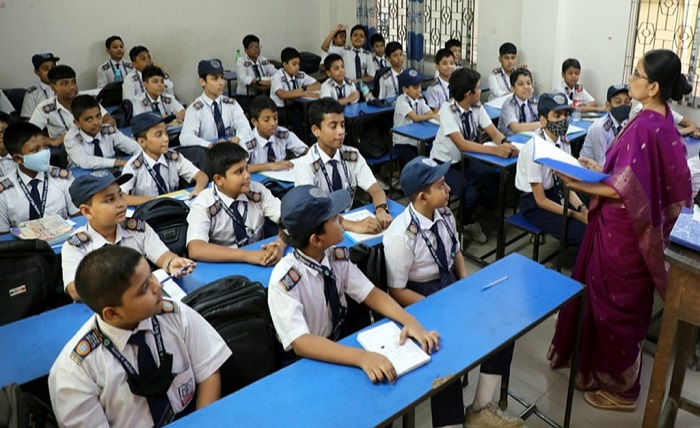
Public school curricula are typically standardized and regulated by government bodies to ensure consistency across regions. In many countries, including Cyprus, these programs follow national guidelines that emphasize core subjects like mathematics, science, language arts, and social studies. A school Cyprus public institution might integrate local history and languages to reflect cultural contexts, but the framework remains broad to accommodate diverse student populations. This approach aims for equity, providing a baseline education accessible to all. However, it can sometimes limit depth due to resource constraints and larger class sizes, focusing more on meeting testing benchmarks than individual exploration.
Key Features of Private School Curricula
Private school curricula often stand out for their innovation and depth, allowing institutions to go beyond standard requirements. In private schools in Limassol Cyprus, for example, there’s room to incorporate advanced topics or interdisciplinary studies that public systems might not prioritize. A private school can adopt specialized programs, such as those emphasizing environmental science or digital literacy, tailored to emerging global needs. This flexibility stems from independent funding, enabling smaller classes and more resources. Unlike public setups, a Trinity private school might blend traditional academics with practical skills, fostering a more engaging learning environment without strict adherence to national mandates.
Subject-Specific Differences
Diving into subjects, differences become evident. In mathematics, public schools often stick to sequential progression aligned with state exams, while a private school might introduce calculus earlier or use project-based learning. Science in public institutions covers fundamentals, but private schools in Limassol Cyprus could offer lab-intensive courses with real-world experiments. Languages see public curricula focusing on national tongues, whereas a Trinity private school might emphasize multilingualism for international exposure. Arts and physical education in public settings are sometimes elective or limited, but in a private school, they integrate holistically, promoting creativity alongside academics.
Customization and Flexibility
One major advantage in private education is customization. Public curricula are rigid to maintain uniformity, but a school Cyprus private option allows adaptations for gifted students or those needing support. Teachers in such environments can modify lessons, incorporating student interests or accelerated tracks. This flexibility extends to scheduling, with options for extended projects or electives not feasible in overcrowded public classes. Overall, it enables a more personalized path, contrasting the one-size-fits-all public model.
Impact on Student Achievement
The curricular differences significantly affect outcomes. Studies show private school students often outperform peers in standardized tests, attributed to enriched content and focused instruction. In regions like Cyprus, attending a private school can lead to higher university acceptance rates due to rigorous preparation. However, public education builds resilience in diverse settings, potentially fostering broader social skills. Long-term, private curricula might better equip for specialized careers, though success depends on individual factors beyond schooling.
Here is a list of key impacts on student achievement from curricular differences:
- Higher test scores in private settings due to advanced materials.
- Improved critical thinking from flexible private approaches.
- Greater access to extracurriculars in private schools enhancing resumes.
- Potential equity issues in public systems limiting some achievements.
- Long-term career advantages from specialized private training.
Following this list, it’s crucial to consider that while private curricula may boost metrics like grades, public education often excels in teaching adaptability and inclusivity. For families in Cyprus evaluating options, blending elements from both — such as supplementing public schooling with private tutoring — can optimize results. Ultimately, achievement hinges on supportive home environments alongside school structures.
Choosing Based on Curriculum
When selecting, align the curriculum with your child’s goals. Research public options for affordability and community ties, or explore a school Cyprus private for depth. Visit campuses, review syllabi, and consult educators to gauge fit. In private schools in Limassol Cyprus, look for accreditation ensuring quality. Balance breadth versus specialization, ensuring the choice supports holistic growth.