The Alps boast more than just the best in hiking, skiing and breathtaking views for vacationers; within the mountains, valleys and alpine pastures lives an incredible variety of animals that call these regions home. From the majestic ibex perched atop rocky cliffs to the elusive marmots whistling across alpine meadows, this region’s animal life populates the landscape in a way that keeps travelers returning season after season. In addition to learning more about these incredible mountain species, observing wildlife in the Alps provides a deeper connection to nature and an understanding of delicate ecosystems. This guide will focus on what species you may see while in the Alps, where you might find them, and how to appropriately engage with wildlife while exploring.
Alpine Ibex: The Giants of the Peaks
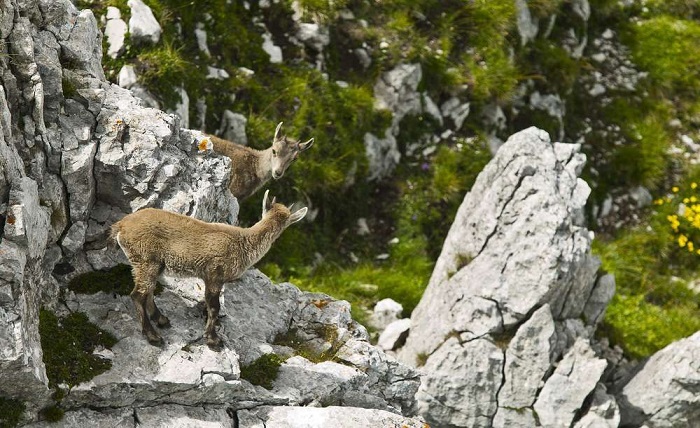
The alpine ibex is probably one of the most famous and adored animals of the region. With horns that curl backward in a distinctive gesture and a bulky body that allows for some impressive climbing abilities, it’s a quintessential animal of its kind as it’s literally placed on pedestals among rocky outcroppings and cliffs. The ibex was once an endangered species due to poaching, but thanks to protective measures, it’s alive and well these days, with travelers likely to find them either in national parks or off the beaten path in less frequented areas of the mountains. Transportation from DIA to Vail is often referenced by wildlife enthusiasts comparing protected mountain habitats across continents, where conservation efforts allow iconic species to thrive alongside responsible tourism. Generally, mornings and evenings are the best time for excursions to attempt to catch an ibex in its natural state. Yet knowing that they risk crossing a narrow ledge for others even from afar makes a heart content as wildlife should thrive across the Alps.
Marmots: The Friendliest Furballs of the Region
Marmots are some of the quirkiest and cutest animals of the Alps, with comical expressions and antics providing family-friendly viewing opportunities all around the region. For example, marmots whistle to let their colony know of any danger or threat; they sleep in family groups, hang out outside of their burrows – which are found in rock outcroppings or beneath trees, run and play in meadows, and forage for food in high elevation grasslands. They hibernate for most of the year, so summer and early fall are the best viewing opportunities for these furry diggers along the trails. Many trails wind close to meadows or into sloping rocky regions where marmot burrows exist, providing foot travelers a great chance to see these furry digs first hand and in action. Few things are cuter than when a marmot peeks its head out of a burrow or comes over for a brief family reunion before they’re all gone for months. Kids especially love seeing these critters along the way as they thrive in their natural environments.
Chamois: The Kings of the Cliffs
The chamois, a specific species of hybrid mountain goat and antelope, represent one of the region’s most symbolic animals. From afar – which should not be an issue due to how far they’ve get up high and how much they enjoy mountain lands as opposed to valleys during summertime – travelers will not have any issues spotting them unless they’re too far away. They also have distinguishing features – thin bodies, dark runs, pale face accents – for additional identification. The chamois, like ibex, tend to come down into valleys during the early morning hours and if especially frigid temperatures emerge, they’ll venture toward towns more than other creatures, but not as much as deer or other wildlife like goats and sheep. They are beautiful creatures but exemplify the complicated social constructs that make wildlife so prolific – their social constructs are established when no one is watching or present. Thus, chamois leaping across cliffs or perched proudly on rock mountains enhanced by an already magnificent mountain backdrop creates an even more impressive sight.
Golden Eagles: Predatory Birds of Prey Soaring the Alpine Skies
The golden eagle is one of the most majestic birds of prey in the Alps, boasting wingspans greater than two meters. They perfectly glide over ridges and into valleys, searching for small furry mammals to eat when they decide to stop in a tall mountain nest. Travelers often get excited when they see a golden eagle as they know they’re somewhere special and wild. These nests are usually high on a cliff, and the golden eagles are most active at lunchtime when thermals help carry them without much work. Watchers may see their impressive dives or trees in which they’ve made their mark if they’re fortunate. Either way, if you see a golden eagle, know that this avian predator rules the sky as confidently as the mountains and valleys below.
Red Deer: The Largest Mammals of the Alps
The largest mammals of the Alps, red deer inhabit the forests and brush of these beautiful mountains. They’re relatively shy animals, making it challenging to see them, but walking through wooded areas in the early morning or just before sunset can improve your chances. If you hear them before you see them, you’ll notice loud calls echoed between competing stags during rutting season in the autumn; it’s dramatic and extraordinary. The autumn rut season highlights how both powerful and vulnerable deer can be; stag fights stem from a strong desire for dominance and rights to territory and breeding females. Red deer hide and roam just outside your view, adding a layer of intrigue to your travels.
The Lynx and Wolf: Rare Comebacks to the Region
The lynx and wolf are rare significant comebacks in specific regions of the Alps since they were previously extirpated due to hunting and habitat loss. Slowly, these predators have been reintroduced to the mountains with populations supported by legal protections. However, sightings are few – these animals are elusive and shy – although travelers may see claw marks or hear a wolf’s howl within the mountains at night. Thus, while it’s not likely you will see either animal, it’s good to know they are there, bolstering an already wild ecological system. The presence of both lynx and wolves denotes true wilderness where it remains in Europe’s highest mountains.
Inhabitant Birds: From Songbirds to High Altitude Experts
From songbirds, like the black redstart, that infuse Alpine villages and forest fringes with song to high-altitude experts, like the alpine chough, known for their acrobatic flying around summits and glaciers, to the ptarmigan with its seasonal feathered plumage for camouflage against the snow and stone, the Alps boast a myriad of avian species. Herons and ducks are common in lakes and marshes while the bearded vulture (Egyptian vulture) is a rare sight overhead. Birdwatchers will surely find a new favorite just about anywhere they’re adventuring in the Alps.
Respecting Wildlife
There’s nothing quite like experiencing wildlife in nature except when it comes to intruding on wildlife in nature. Animals can be unpredictable and unless they make the choice to approach you, it’s best to ensure that you’re keeping your distance to keep them and yourself safe. This means avoiding off path sightings and making sure that you’re not feeding, approaching, or even touching animals – an animal’s predator status relies on its ability to feel safe in its natural habitat. Use binoculars or long-lens cameras for close-up views, as well as early morning and late afternoon for great lighting. Animals are most active at dawn and dusk but crowds may noise levels may do more harm than good if trying to get a glimpse. Respecting wildlife keeps you safe.
Where and When to Look for Wildlife in the Alps
The best way to spot wildlife is by knowing where and when they are most likely to be found. Look for ibex and chamois roaming high pastures and steep rocks; they can be mostly be found along cliffs. Marmots dwell in grassy hillsides, especially near their burrows. Deer roam through forests and valleys, while foxes live in more hidden areas. Golden eagles fly along cliff faces. The best time of the year to view animals is in the summer and early fall before they hibernate and seek shelter from winter conditions. The best time of day is early morning or later afternoon for calm conditions and optimal lighting. Be sure to explore various habitats throughout your stay to get the full experience!
The Emotional Impact of Wildlife Experiences in the Alps
While majestic ibex and grazing chamois undoubtedly fill your soul with an unforgettable experience while in the mountains, wildlife in the Alps goes far beyond simple sightseeing. When you spot an ibex proudly perched on a rock, or hear the whistle of a marmot, it resonates. Wildlife experiences in the Alps remind travelers that the mountain destinations are not just visually striking; they are biological havens brimming with life. Furthermore, such wildlife encounters empower people to respect conservation initiatives as they realize just how important the mountain ecosystems are not only to the animals therein but also for history and future generations. Whether on foot, bike, or merely taking a moment to sit in peace and quiet, you’ll often find that wildlife sightings are one of the most rewarding parts of any trip to the Alps.
Mammals: Foxes, Badgers and More!
Beyond the sweeping cliffs of above-the-treeline elevations, many mammals shy from humans but add countless layers to true Alpine experiences. Foxes are among the most common mammals that call the Alpine forests home; red foxes trot around in the early hours as they scour for food along clearings. They may sometimes be seen peeking from behind rocks, friendly and looking for their next meal. Badgers are mainly nocturnal, so one may only see burrow entrances or tracks to know these nocturnal mammals are nearby. Lesser-seen creatures include pine martens, dormice, and hedgehogs, which tend to stay under the foliage of the forest floor. Though people may only see flash glimpses of these mammals (or none at all), it will fill your soul with excitement just knowing they are somewhere nearby, part of this complex ecosystem beneath the forest canopy. Patience and quiet observation might yield results!
Amphibians and Reptiles: The Unsung Heroes of Alpine Wetlands/Sunny Spots!
While ice and snow cover the Alps most of the time, one might not believe that amphibians and reptiles thrive when warmer weather prevails. Enter: the alpine salamander, who sports a beautiful jet-black hue and prefers to remain cool and moist near forest streams and trails during warm weather. As summer begins to tick on, frogs and toads abound in ponds/wetlands, but especially around breeding season toward early summer. Reptiles bask in sunny conditions on rocky slopes and meadows; think viviparous lizards or green sand lizards! Less commonly seen is the adder on sun-kissed grasslands. These animals are excellent indicators of habitat health due to their reliance on clean wetland sources, diverse plant life, and undisturbed areas. Therefore, spotting them adds that extra tiny little detail to your wildlife experience.
Insects in the Alps: Butterflies and Bees and Rare Beetles
Come summer, insects abound in the Alpine meadows. Butterflies – Apollo, swallowtail, mountain ringlet – dance upon fields of wildflowers, while the buzzing of bees and bumbles add a curious sound to the ambiance as they flit from petal to petal. Dragonflies stalk the edges of the lakes, and the rarest of beetles – sometimes only found in the highest of Alpine settings – bring joy to the attentive eye. These creatures are not merely secondary life in this region – but instead, form the basis of ecological expectations and creations. As a traveler, experiencing these critters puts you in tune with the interconnectedness of flowers, forests, meadows, and wildlife to emphasize that although the Alps boast a powerful appearance, much is going on below the surface in this delicate yet vibrant environment.
How You Can Support Wildlife in the Alps for Years to Come
Wildlife in the Alps exists because people want it to exist. Across many countries and with significant conservation efforts – breeding zones, national parks, reserves, and protected areas offer roaming, migration and breeding opportunities without excessive human intervention. Areas for reforestation have been carefully designated with an eye toward animal footprints as much as foot traffic while protected grazing situations (meaning certain areas are grazed by livestock for tidiness, but many others are not) create healthier ecosystems for species resurgence. The ibex, lynx and bearded vultures have all been reintroduced thanks to such multi-national efforts so when you visit and educate yourself about what’s gone into making certain animals common, you’ll appreciate your wildlife encounters even more. As a traveler looking to do your part, it’s essential to champion what others have done by minimizing your impact through careful walking on trails, reducing waste and using responsible means of transportation.